

Some Stories Are Not Meant To Be Rushed
This issue of Punjabi Essence Magazine honours Jaswant Singh Khalra, a man whose courage redefined what it means to stand for truth. In choosing to expose what others chose to ignore, Khalra reminded us that silence is never neutral, and that integrity often comes at a cost.
As a fashion and culture magazine, we believe style is more than appearance, it’s a memory, identity and resistance. Through thoughtful visuals and measured words, this issue reflects on Khalra’s legacy not as history alone, but as a living reminder of responsibility and courage.
This is a moment to pause, reflect, and remember that truth, even when buried, never disappears
– Punjabi Essence Magazine
JASWANT SINGH KHALRA?
He exposed what the government tried to hide. He dragged buried records into the light. He forced a nation to confront lives it had erased.
At a time when fear silenced Punjab, Jaswant Singh Khalra refused to look away. While families searched for sons who never came home, he followed paper trails others ignored, municipal files, cremation registers, official documents that were meant to stay unnoticed. Where the system reduced human lives to numbers, he restored names, stories and proof. He did not have power, protection nor position (status). Only persistence and truth, and that was enough to make him dangerous.
He Is Jaswant Singh Khalra
Punjab Was Official Declared “Peaceful” (1990’s)
By the early 1990’s, on paper militancy was under control. Checkpoints were coming down. News headlines moved on. To the world, Punjab was safely operation and returned to its thriving state.
On the ground, families were still waiting.
Waiting.

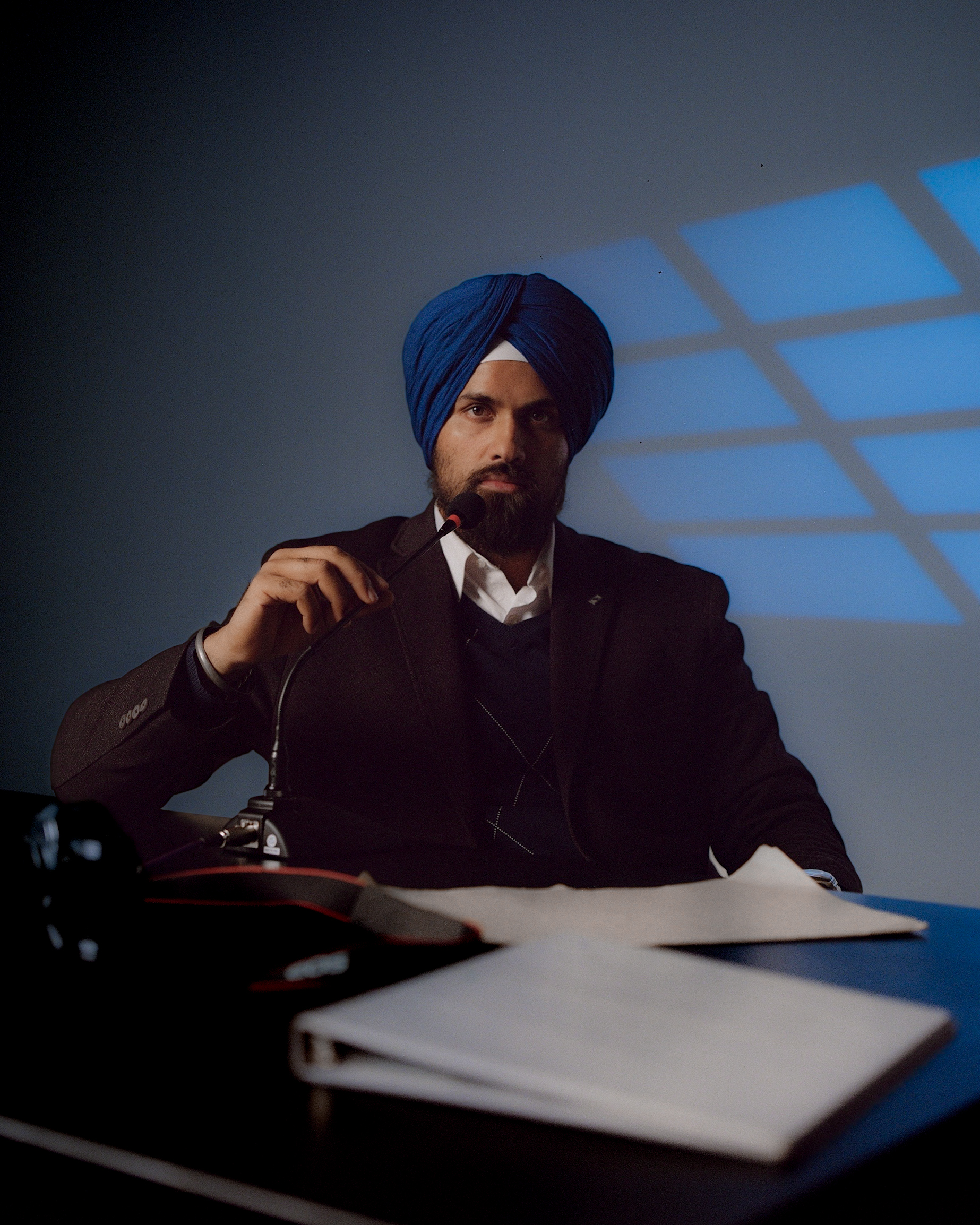

Across pinds (villages) and cities, the same stories repeated itself. The same continuous stories, a son taken for questioning. A husband picked up late at night. A brother who left home and never returned. Police stations denied arrests. Courts showed no records. Files ended in silence.
“It’s as if they never existed”, one grieving mother would later say.
This was the environment Jaswant Singh Khalra walked into, not as a reporter, but as a citizen who noticed that the numbers didn’t add up.
The Question That Changed Everything
Khalra was bank employee and a human right activist, not part of the press or political elite. What drew him in was not ideology, but inconsistency. While assisting families searching for missing relatives, he noticed something disturbing (cremation grounds were recording thousands of unidentified bodies). Far more than expected in normal circumstances.
These were not disaster victims.
These were not unclaimed bodies from hospitals.
They were people with no names, no families, and no official explanation. Khalra first action began documenting everything instead of speculating. He visited cremation grounds in Amritsar district and requested municipal death registers (dusty ledgers no one had reviewed for years). Page by page, he counted entries marked simply as “unknown” or “unidentified”.
The numbers were staggering.

The Disappearance
On September 6, 1995, Jaswant Singh Khalra was abducted in Amritsar, witnesses identified police officers involvement. However authorities denied involvement and day turned into weeks.
Punjab recognised the pattern immediately.
Later investigations confirmed Khalra had been illegally detained, tortured, and killed. His body was never returned to his family.
The man who exposed disappearances became one himself
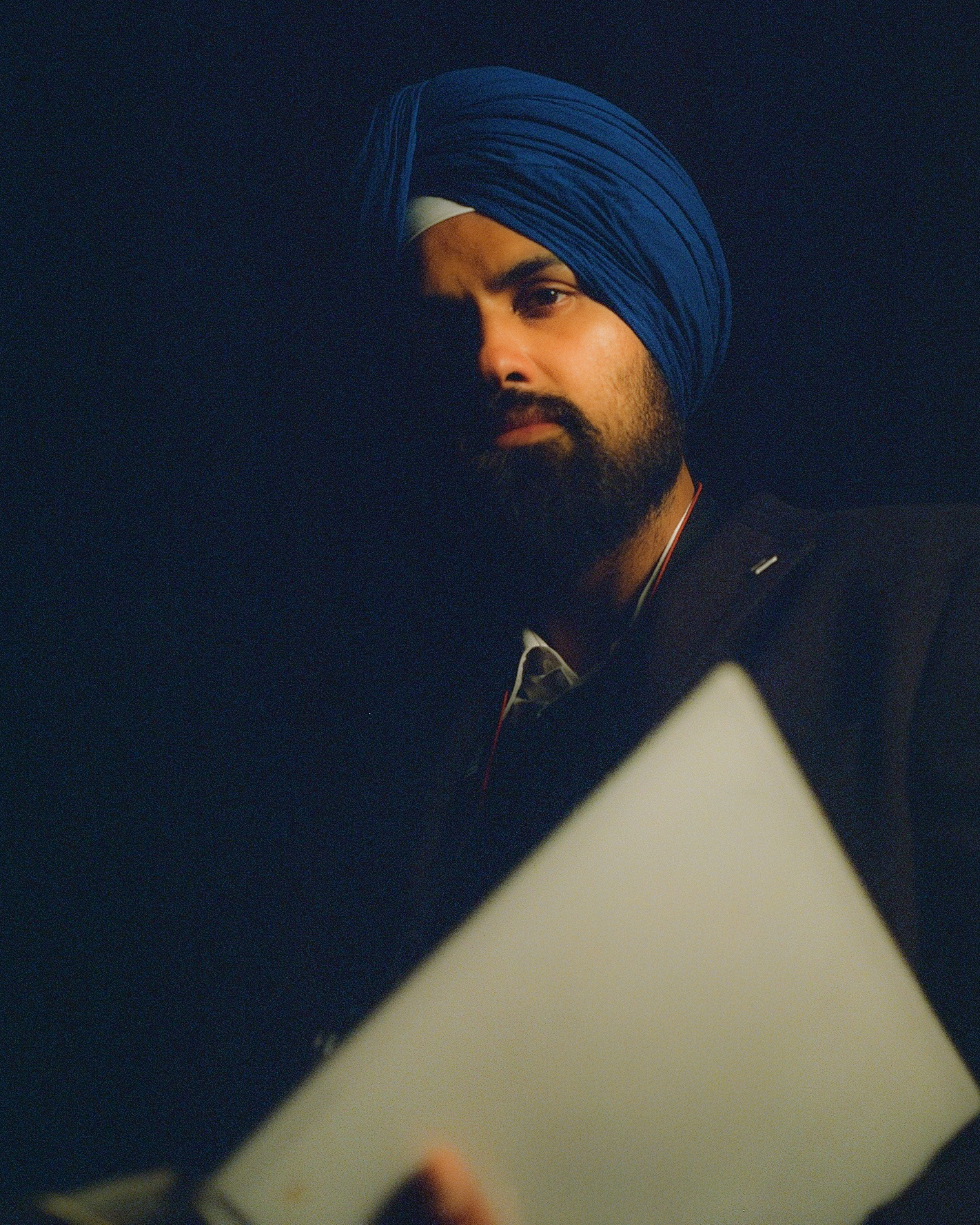
Keeping Him Alive
Khalra’s death did not erase his work. Because of the evidence he collected, courts were forced to reopen cases. Police officers were prosecuted and justice received to families. India’s Supreme Court acknowledged the scale of illegal cremations. For the first time, families received confirmation of what had happened to their loved ones
Justice came late.
Human rights groups today cite Khalra’s documentation as one of the most significant exposures of enforced disappearances in modern history.
Why His Story’s Relevant
For a generation raised on fast news and disappearing attention spans, Jaswant Singh Khalra’s story carries an urgent lesson: Truth does not always arrive loudly.
He did not overthrow a system.
He documented it until it could no longer deny itself. And in doing so, he proved that even in an atmosphere ruled by fear, truth can survive if someone is brave enough to record it
He Was Jaswant Singh Khalra

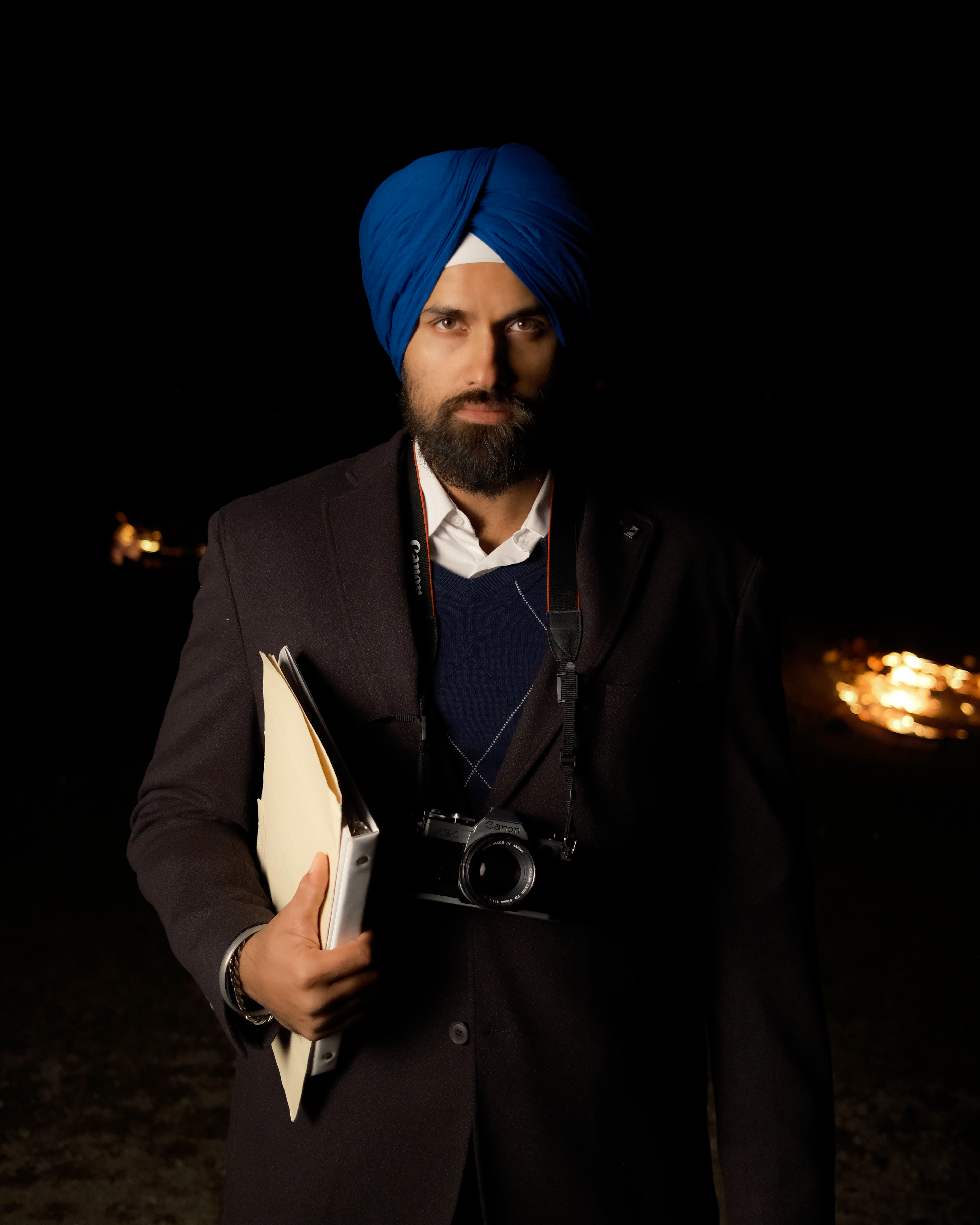
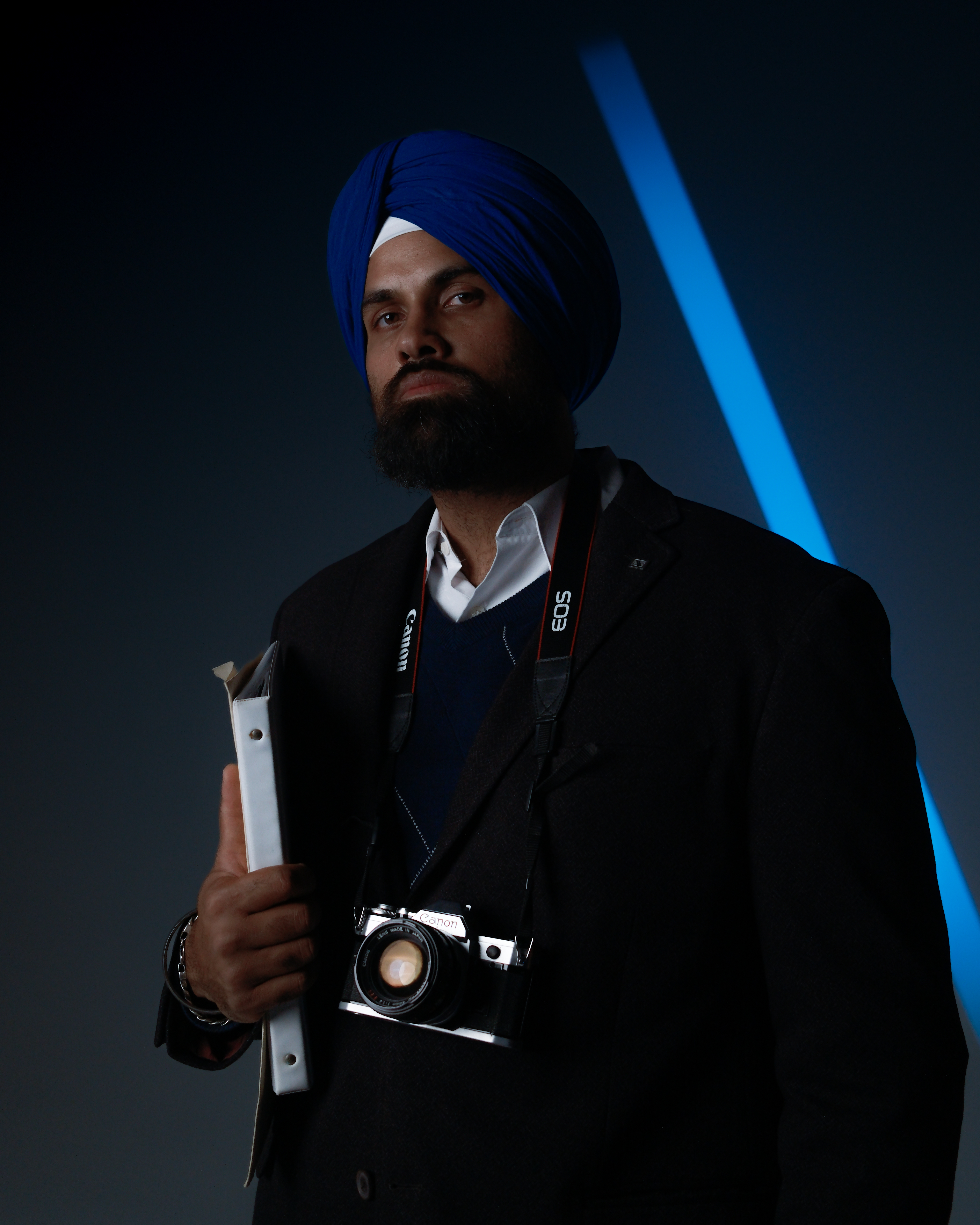
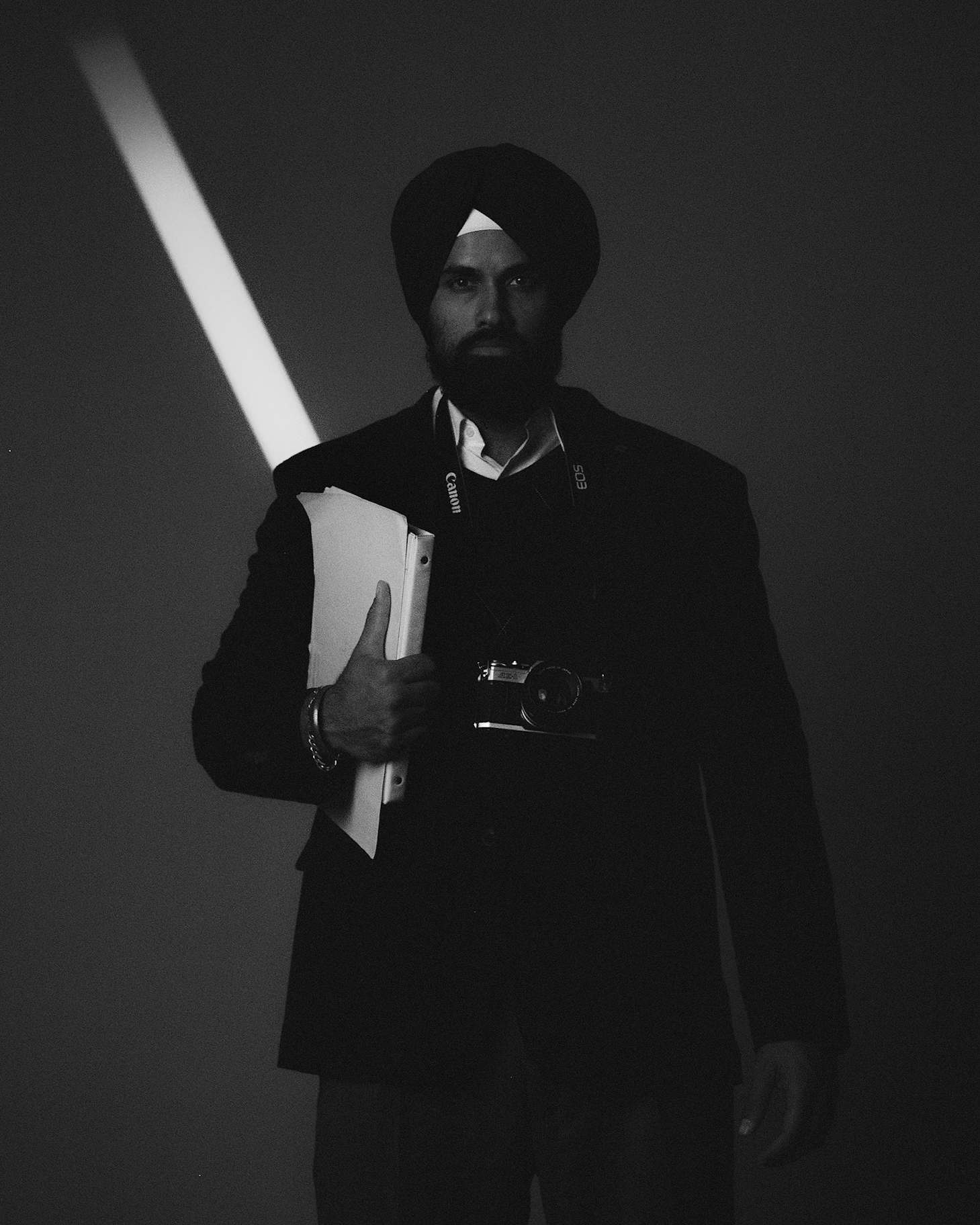
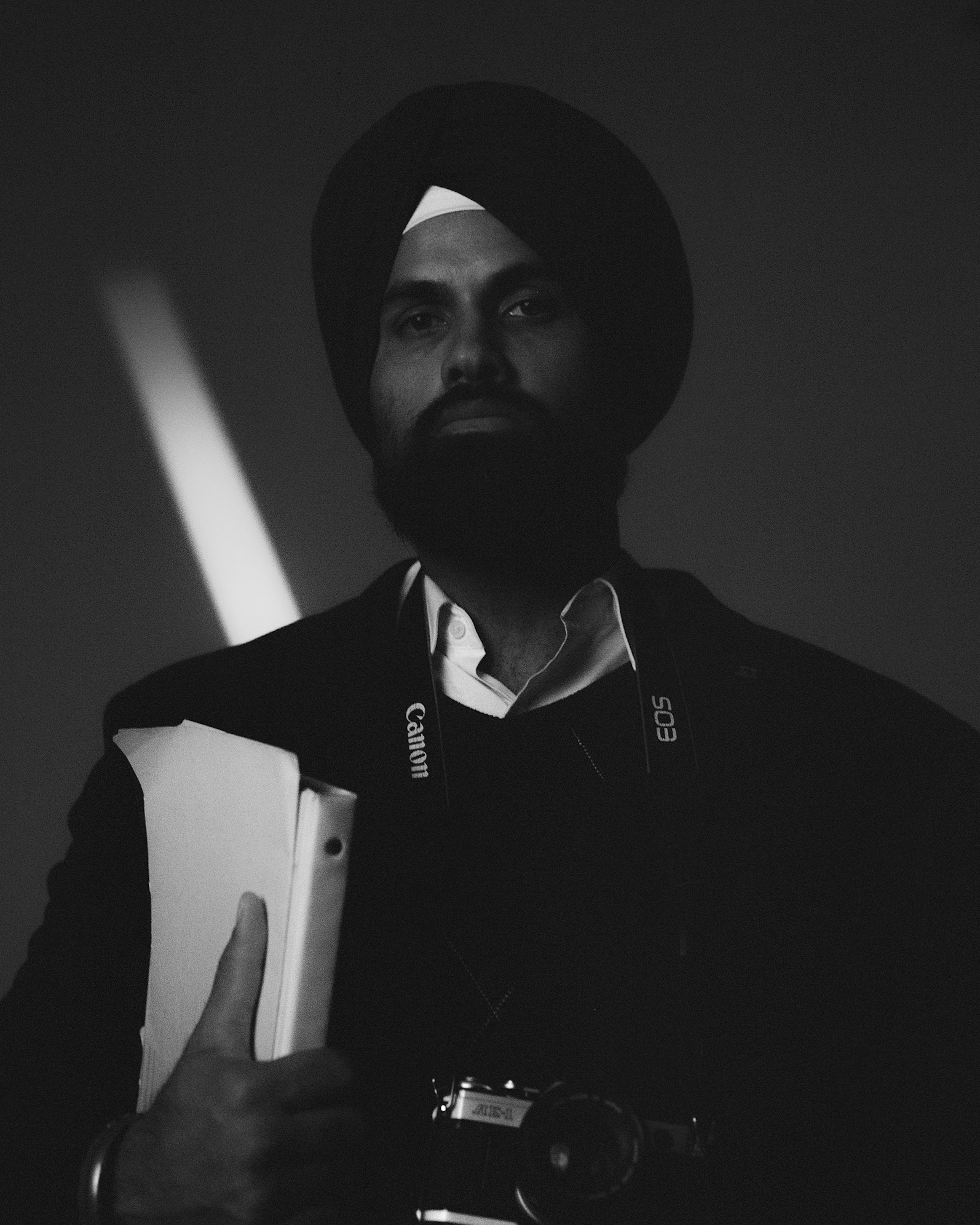
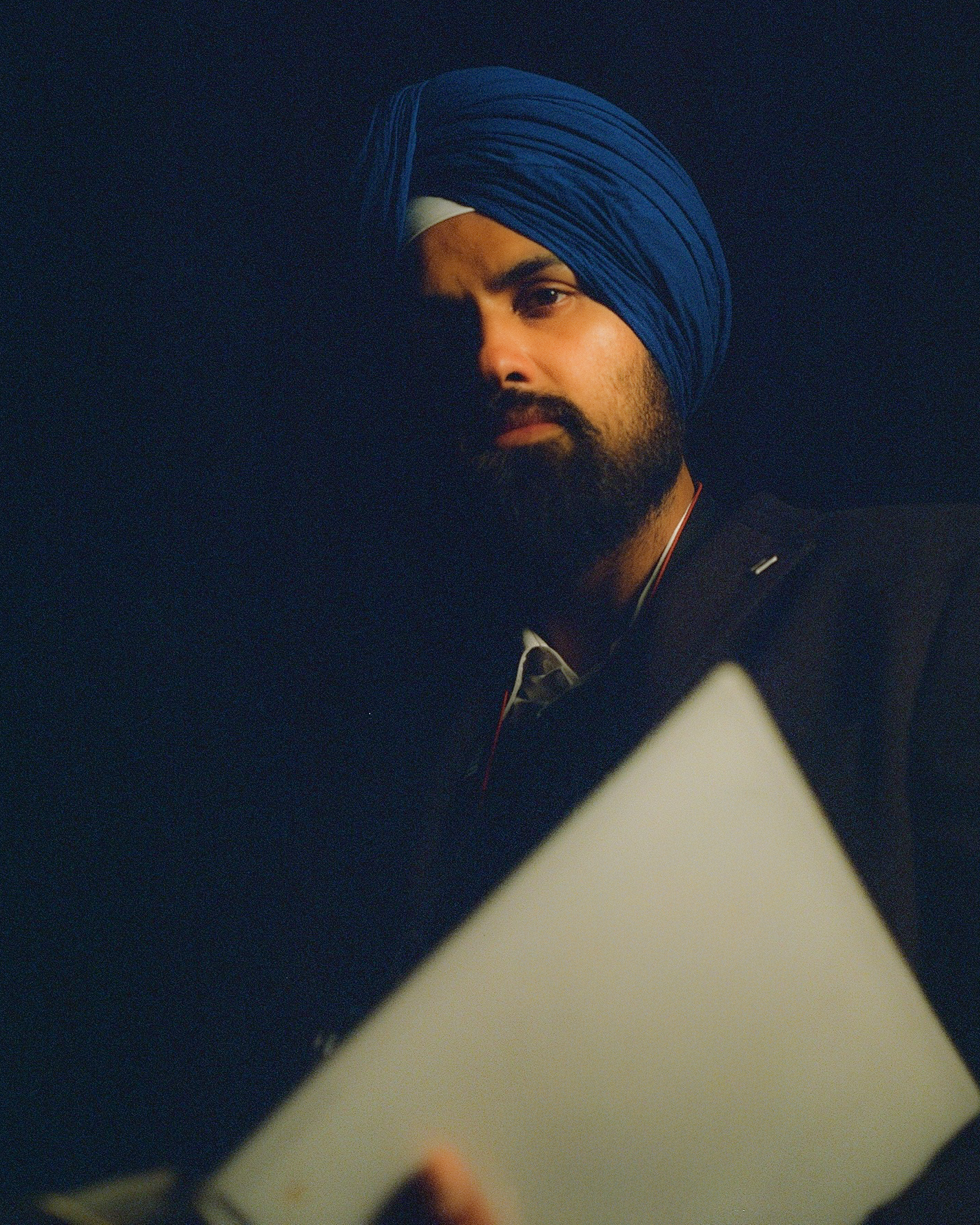

Credits
Model: @Bikramwahid
Story Writing: @_.Jasleenbrar
Shot & Edited: @Nahsaj_
Lighting, Styling & Set Desgin: @Bikramwahid
BTS Footage: @Olivier._
Production: @Theartistsproduction
Shot At: @visionstudios.co
Production Assistants: @Karmuppal & @illworld.joty